Live Biometric Feeds Transforming Dynamic Pricing Structures in Solo Sports Markets
Quinn Lange · Oct 20, 2026
Live Biometric Feeds Transforming Dynamic Pricing Structures in Solo Sports Markets
Performance data streams from wearable sensors and tracking systems have begun altering how bookmakers calculate and adjust prices in markets centered on individual athletes, and this shift gained momentum through October 2026 as tennis, golf, and track events supplied continuous feeds of heart rate, stride length, and swing velocity. These inputs allow operators to update odds within seconds rather than minutes, creating tighter correlations between on-court metrics and market movements across solo athletic competitions.
Data Sources Fueling Real-Time Adjustments
Researchers at institutions such as the University of Queensland have documented how GPS units and inertial measurement devices capture position, acceleration, and fatigue indicators during matches, while studies published through the Australian Sports Commission show that these metrics reach pricing engines via secure APIs in under two seconds. In tennis tournaments, for instance, serve speed combined with rally duration data triggers immediate revisions to next-point probabilities, and similar patterns appear in golf where club-head speed and green-reading statistics influence live wager adjustments on individual holes.
Operators integrate these streams with historical performance databases so that a sudden drop in an athlete's average ground-stroke velocity during a set prompts a recalibration of set-win odds without waiting for the next game completion. This process operates continuously during events, and the volume of data points processed per match reached several thousand by mid-2026 according to industry reports.
Mechanics of Dynamic Pricing Models
Dynamic pricing engines now weigh incoming biometric signals against baseline profiles for each competitor, and algorithms assign confidence intervals that narrow or widen price spreads accordingly. When a marathon runner's cadence falls below established thresholds in the final 10 kilometers, models reduce implied probabilities for that athlete finishing inside a target time bracket. Observers note that the same framework applies to swimming events where stroke-rate telemetry alters expected split times within heats.
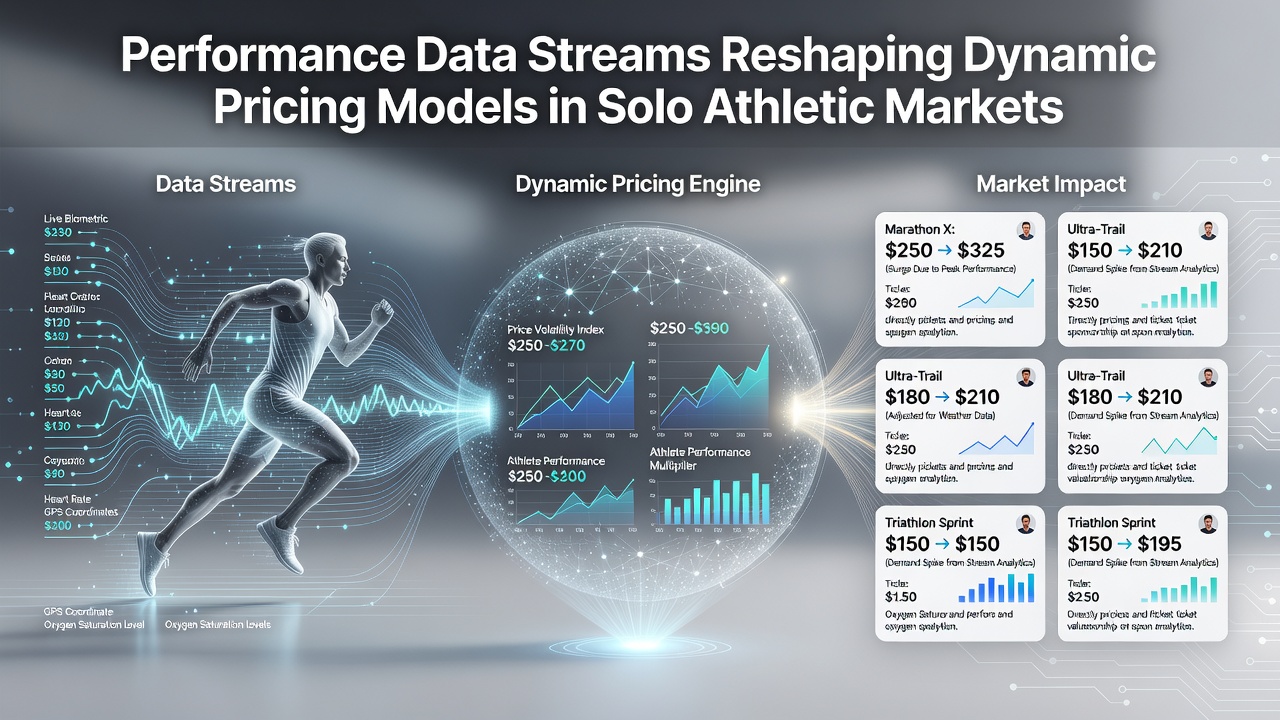
The transition from periodic score updates to continuous data ingestion has reduced latency between physical changes and market responses, yet it also requires robust filtering to separate noise from meaningful deviations. Data scientists working with European research consortia have developed anomaly-detection layers that flag sensor errors before they influence prices, and these safeguards became standard practice across major platforms by October 2026.
Market Examples Across Disciplines
In professional golf tournaments, shot-tracking systems record launch angles and spin rates that feed directly into live markets on individual player scores for remaining holes, and one documented case during a European tour event showed odds on a specific birdie attempt shifting within four seconds of the ball leaving the club face. Tennis provides parallel illustrations where serve-percentage trends calculated from ball-tracking data prompt revisions to game-win prices, while athletics meetings use timing-chip information to adjust margins on 100-meter final placements as runners progress through qualifying rounds.
These adjustments occur alongside traditional inputs such as weather and court conditions, yet the addition of biometric layers supplies an additional dimension that sharpens differentiation between athletes whose recent form appears similar on paper. Platforms handling multiple solo sports simultaneously maintain separate model variants for each discipline because movement signatures and fatigue curves differ substantially between a tennis rally and a golf backswing sequence.
Regulatory Context in Late 2026
Authorities in several jurisdictions began reviewing how real-time data access affects market integrity during 2026, and the US Federal Trade Commission issued guidance on fair disclosure of sensor-derived information to participants. Licensing conditions in Australia and Canada now require operators to maintain audit trails that record every data point used in a price change, and these requirements took effect progressively through the second half of the year. Compliance teams therefore allocate resources to verify that biometric streams originate from approved devices and that transmission protocols meet encryption standards.
Conclusion
Performance data streams continue to integrate with pricing systems in solo athletic markets, and the resulting models deliver more granular updates while demanding greater technical oversight. As sensor accuracy improves and regulatory frameworks stabilize, the linkage between individual athlete metrics and live price formation is expected to deepen across tennis, golf, athletics, and related disciplines.